
When it comes to high-performance outdoor gear, industrial protective suits, or specialized diving equipment, the zipper is often the most critical point of failure. At LEOT, we understand that choosing between a “waterproof” zipper and an “airtight” zipper isn’t just a matter of preference—it’s a matter of performance requirements.
Today, we are breaking down the technical differences between two of the most popular choices in the industry: the 8# TPU Waterproof Zipper and the 8TZ CR Airtight Zipper.
1. The Core Material: TPU vs. CR (Neoprene)
The most significant difference lies in the tape material. While older industry standards (like those seen in 2023) focused heavily on basic chemical descriptions, LEOT focuses on how these materials behave in the field.
8TZ CR Airtight Zipper (Chloroprene Rubber/Neoprene)
The “CR” stands for Chloroprene Rubber, more commonly known as Neoprene. This is the same high-grade synthetic rubber used in professional scuba diving wetsuits.
- Key Characteristics: CR is a “cross-linked” polymer, meaning it maintains incredible flexibility across a massive temperature range. It feels softer to the touch and is highly resistant to skin irritation.
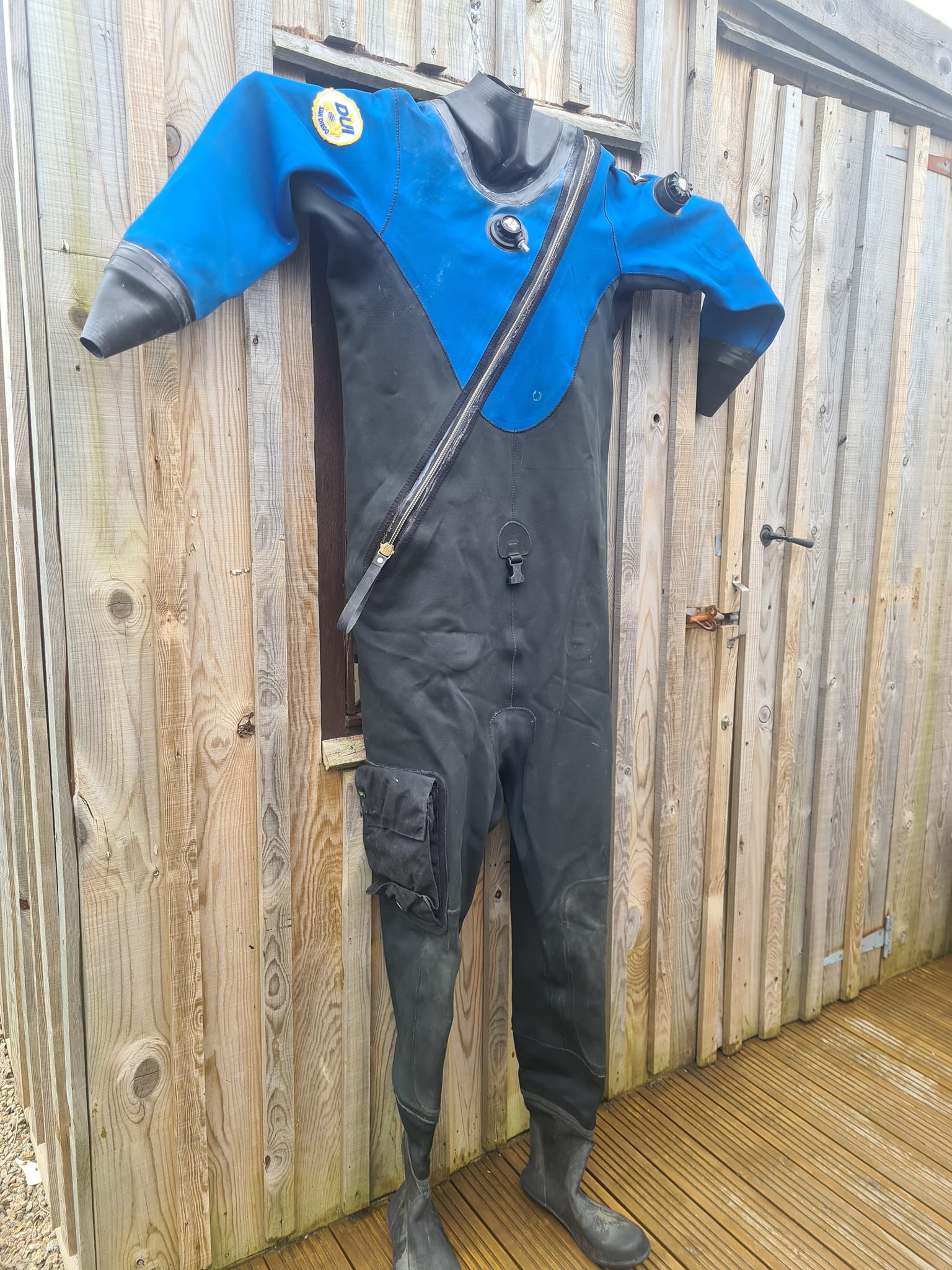
- Best For: Applications requiring a literal gas-tight seal under pressure, such as drysuits, chemical protection suits, and inflatable marine equipment.
8# TPU Waterproof Zipper (Thermoplastic Polyurethane)
TPU is a modern elastomer that bridges the gap between rubber and plastic. Unlike CR, it is a “linear segmented block copolymer.”
- Key Characteristics: TPU is exceptionally tough. It is highly resistant to oil, grease, and—most importantly—abrasion. It can be easily welded using high-frequency or ultrasonic technology, making it a favorite for modern manufacturing.
- Best For: High-end waterproof bags, backpacks, outdoor jackets, and cases where durability and water resistance are the priority, but absolute gas-tightness under immersion isn’t required.
2. Performance Comparison: Airtight vs. Waterproof
The terminology here is vital.
- Waterproof (8# TPU): Designed to keep water out during heavy rain, splashes, or quick submersions. The TPU coating creates a sleek, often matte finish that looks modern and professional.
- Airtight & Gastight (8TZ CR): These zippers are engineered to hold air or gas under pressure. If you are diving 20 meters underwater or carrying sensitive electronic equipment that must remain in a vacuum-sealed environment, the 8TZ CR is the industry standard.
3. Comparison at a Glance
| Feature | 8# TPU Waterproof Zipper | 8TZ CR Airtight Zipper |
| Material | Thermoplastic Polyurethane | Chloroprene Rubber (Neoprene) |
| Main Benefit | Abrasion resistance & Lightweight | Pressure resistance & Flexibility |
| Tactile Feel | Smooth, plastic-like, modern | Soft, rubbery, flexible |
| Common Uses | High-end backpacks, jackets | Drysuits, inflatable boats, hazmat suits |
| Processing | RF Welding / Sewing | Sewing / Glueing |
4. Why Choose LEOT Zippers?
While the market is flooded with zippers from 2023-era technology, LEOT has pushed the boundaries of polymerization and tape bonding.
Our 8# TPU zippers utilize an advanced melt-processing technique that ensures the TPU coating never delaminates from the base fabric, even after thousands of cycles. Meanwhile, our 8TZ CR zippers use a specialized potassium persulfate initiation process during polymerization to ensure the rubber strands are perfectly cross-linked for maximum tear resistance.
Conclusion
If your goal is to build a rugged, waterproof backpack that looks sleek and resists scratches, the 8# TPU Waterproof Zipper is your best bet. However, if you are designing life-saving equipment that must remain 100% airtight under pressure, the 8TZ CR Airtight Zipper remains the king of the sea.